

Why European Recipes Are Perfect for Beginner Cooks
Cooking can feel overwhelming when you first start. However, European recipes offer a wonderful entry point for anyone new to the kitchen. Most dishes rely on simple, fresh ingredients that you can find at any grocery store.
The beauty of European cooking lies in its variety. You can explore rich French sauces one day and light Greek salads the next. Each country brings something unique to the table. Moreover, many traditional dishes require only a handful of ingredients.
Another great advantage is the simplicity of techniques. Many European recipes use basic methods like sautéing, baking, and boiling. You don’t need fancy equipment or years of training. A good pan, a sharp knife, and fresh ingredients will take you far.
Starting with European cuisine also builds your confidence. Once you master a classic Italian pasta dish, you’ll feel ready to tackle more complex recipes. This gradual learning curve makes European cooking ideal for beginners. Furthermore, the flavors are familiar and comforting to most palates.
Cooking European food at home also saves money. Restaurant meals can cost a fortune, but homemade versions are surprisingly affordable. Plus, you control the quality of every ingredient. As a result, your meals become healthier and more satisfying.
Ready to begin your culinary adventure? Let’s dive into the best European recipes that any beginner can master with ease and joy.
Amazing Italian European Recipes You’ll Absolutely Love
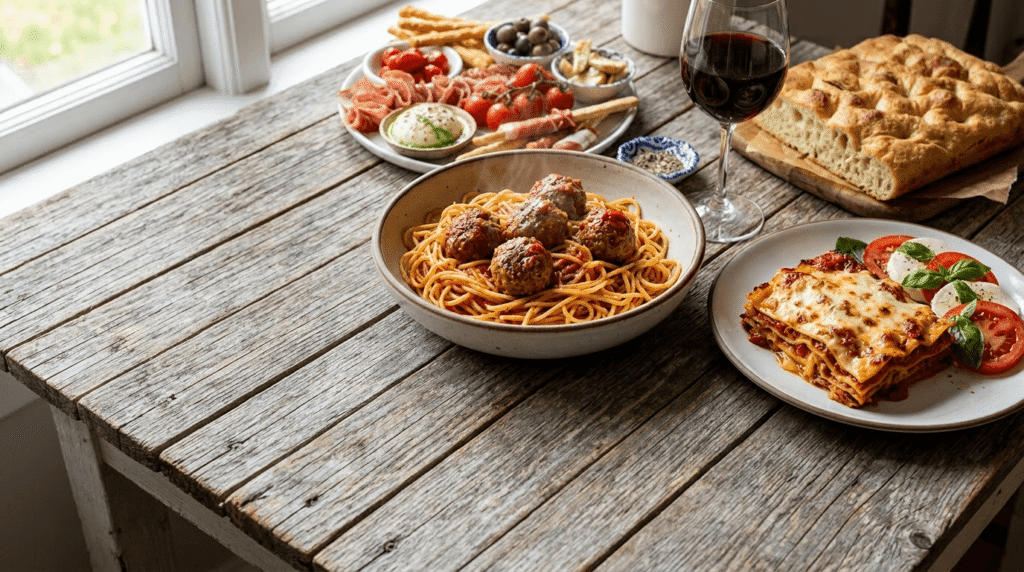
Italian cuisine ranks among the most beloved in the world. Its focus on fresh ingredients and bold flavors makes it a top choice for beginners. Let’s explore some easy Italian dishes you can start with today.
Classic Spaghetti Aglio e Olio: The Simplest European Recipe
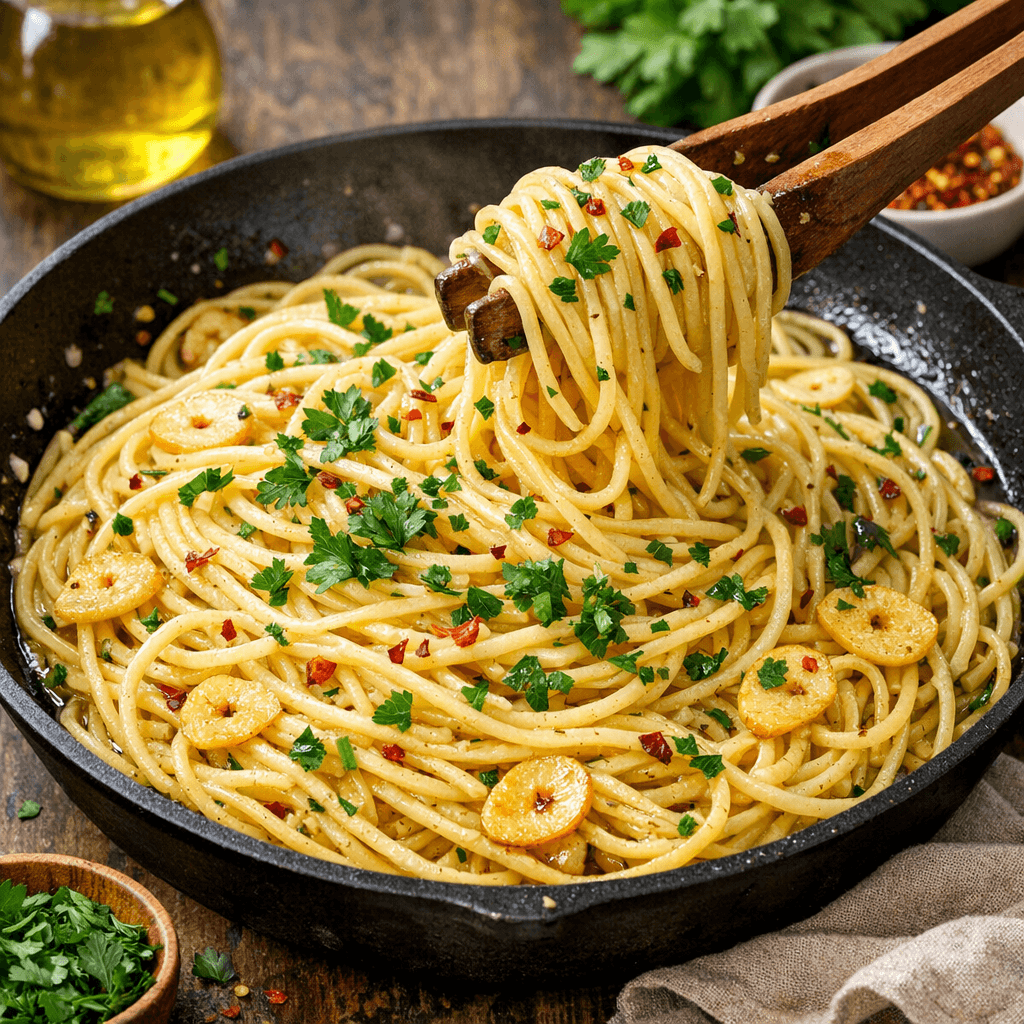
This iconic dish proves that less is more. You need only five ingredients: spaghetti, garlic, olive oil, red pepper flakes, and parsley. First, cook the pasta until al dente. Meanwhile, gently sauté sliced garlic in olive oil until golden.
Add a pinch of red pepper flakes for heat. Then, toss the drained pasta directly into the pan. Mix everything together with a splash of pasta water. Finally, garnish with fresh parsley and serve immediately.
The entire dish takes about 15 minutes from start to finish. It’s budget-friendly, quick, and incredibly satisfying. Additionally, you can customize it with ingredients like cherry tomatoes or shrimp. This recipe teaches you fundamental skills like timing and seasoning.
Caprese Salad: A Refreshing European Recipe for Hot Days
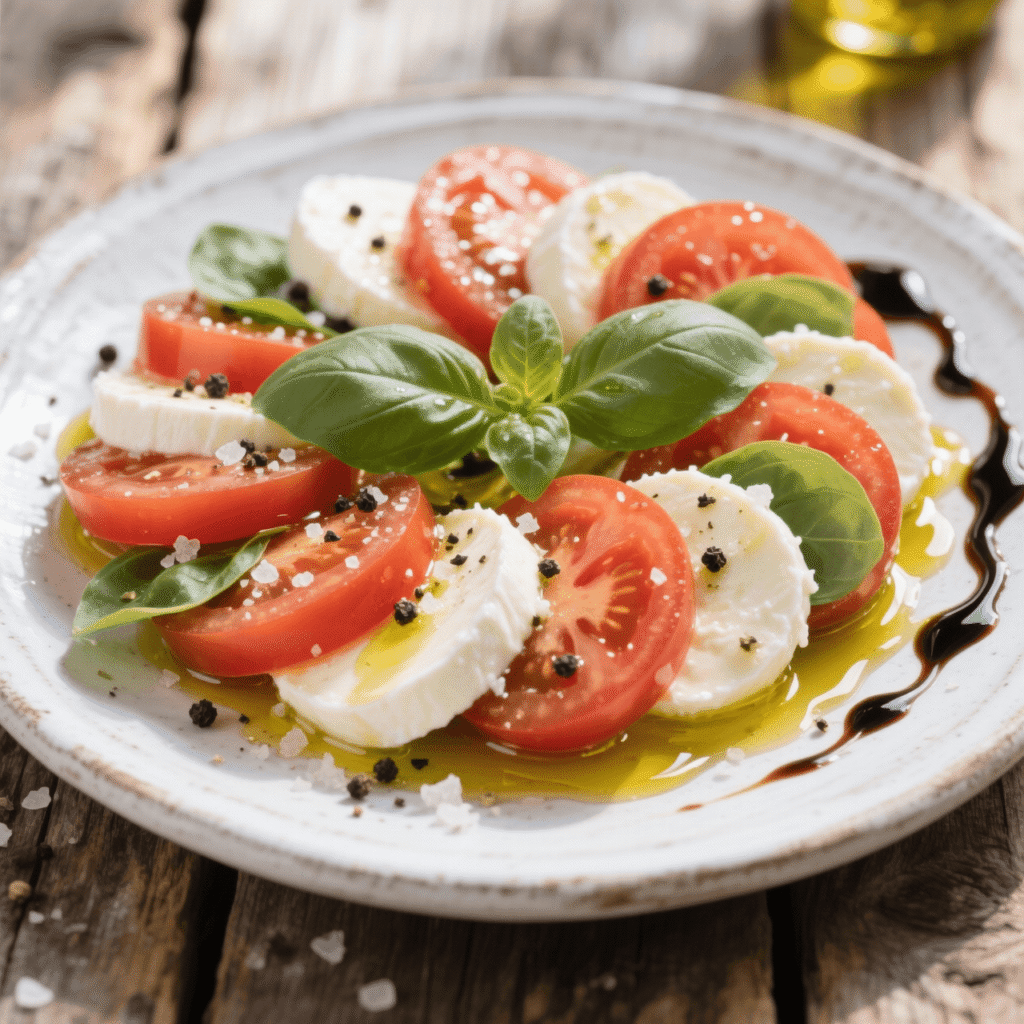
When summer arrives, nothing beats a fresh Caprese salad. This dish requires zero cooking skills. Simply slice ripe tomatoes and fresh mozzarella into even rounds. Arrange them on a plate in an alternating pattern.
Tuck fresh basil leaves between the slices. Drizzle high-quality extra virgin olive oil over the top. Sprinkle sea salt and freshly cracked black pepper to taste. Some people also add a balsamic glaze for extra sweetness.
The key to this dish is ingredient quality. Choose the ripest tomatoes you can find. Buy fresh mozzarella from the deli counter rather than pre-packaged options. Consequently, every bite will burst with authentic Italian flavor.
Delightful French European Recipes That Won’t Intimidate You
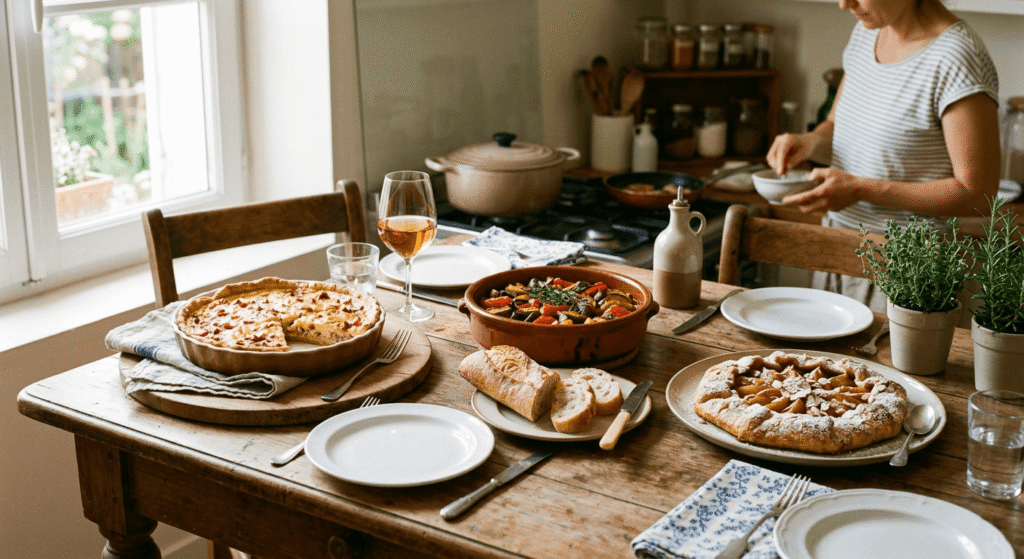
French cooking has a reputation for being complex. However, many traditional French dishes are surprisingly beginner-friendly. Don’t let the fancy names scare you away from these wonderful creations.
Crepes: An Irresistible French Recipe

French crepes look impressive, yet they require minimal effort. The batter combines flour, eggs, milk, butter, and a pinch of salt. Whisk everything together until smooth and lump-free. Then, let the batter rest for at least 30 minutes.
Heat a non-stick pan over medium heat. Pour a thin layer of batter and swirl the pan quickly. Cook for about one minute until the edges turn golden. Flip carefully and cook the other side for 30 seconds.
You can fill crepes with sweet or savory ingredients. Nutella and banana make a heavenly sweet option. Alternatively, try ham and cheese for a satisfying savory version. Therefore, this single recipe gives you endless meal possibilities.
French Onion Soup: A Heartwarming European Recipe
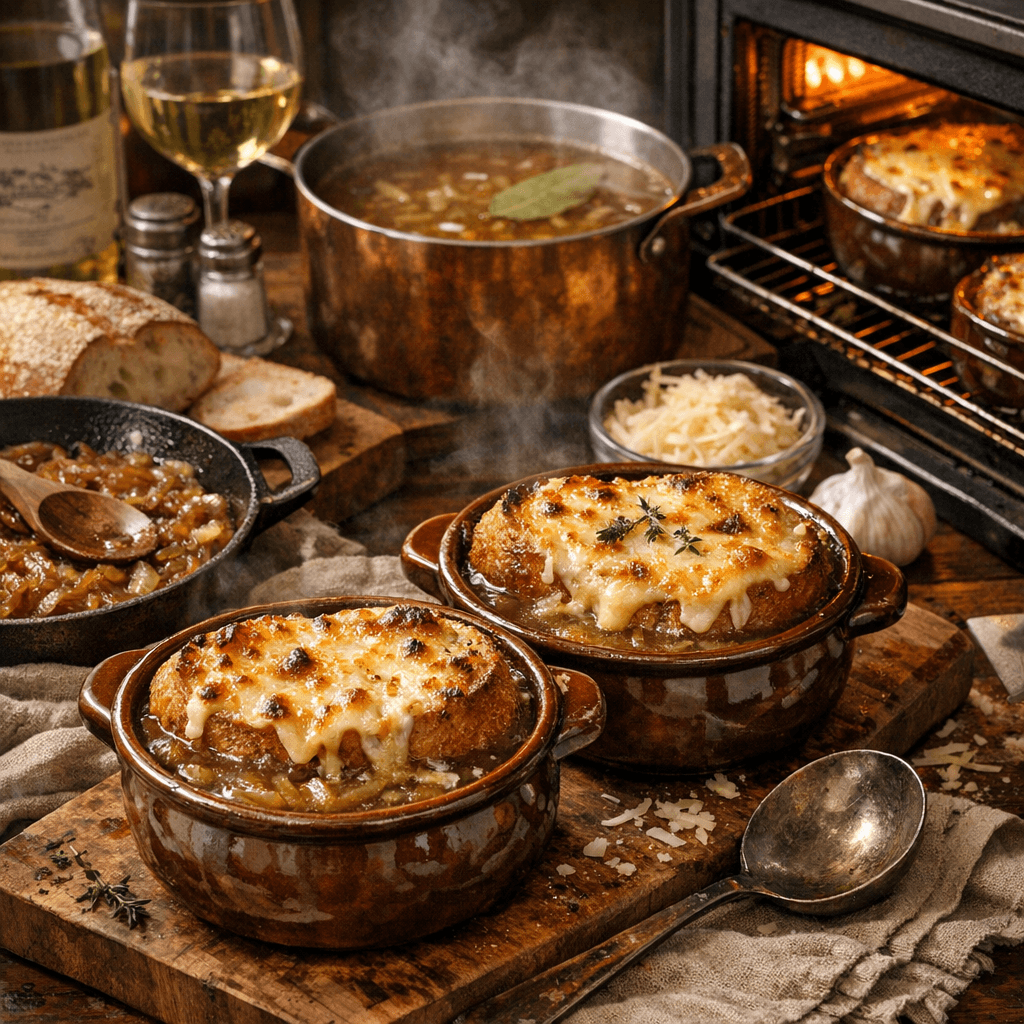
This classic soup delivers incredible depth of flavor. Start by slicing several large onions into thin rings. Cook them slowly in butter for about 30 to 40 minutes. Patience is essential here because the onions need time to caramelize.
Add beef broth and a splash of white wine. Let the soup simmer for another 20 minutes. Season with salt, pepper, and a bay leaf. The aroma alone will make your kitchen smell amazing.
Ladle the soup into oven-safe bowls. Top each bowl with a thick slice of crusty bread. Cover the bread generously with grated Gruyère cheese. Broil until the cheese melts and turns bubbly golden brown.
Wonderful Spanish European Recipes to Brighten Your Table
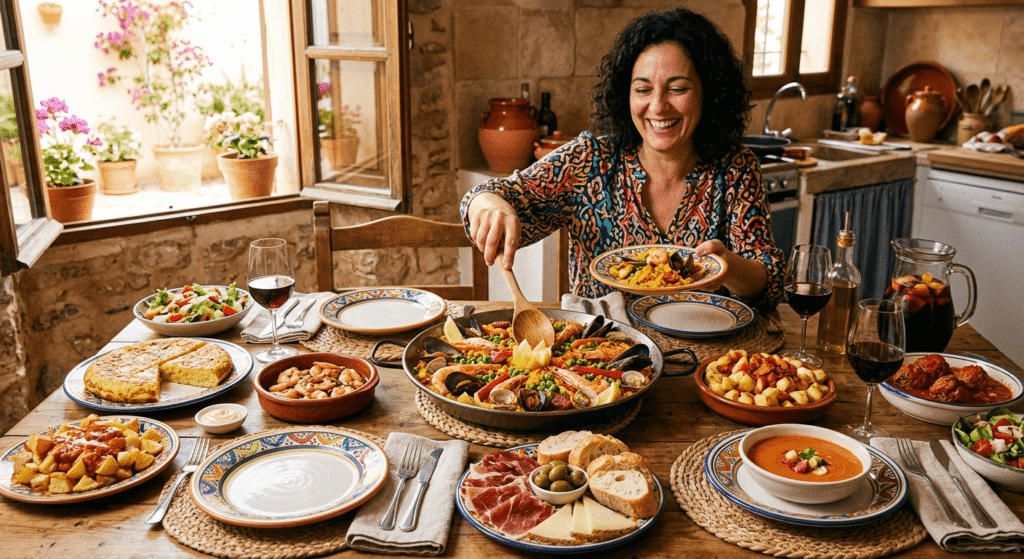
Spanish cuisine celebrates bold flavors and communal dining. Many Spanish dishes come together quickly with pantry staples. Furthermore, the vibrant colors make every plate look stunning.
Spanish Tortilla: An Easy European Recipe Everyone Enjoys
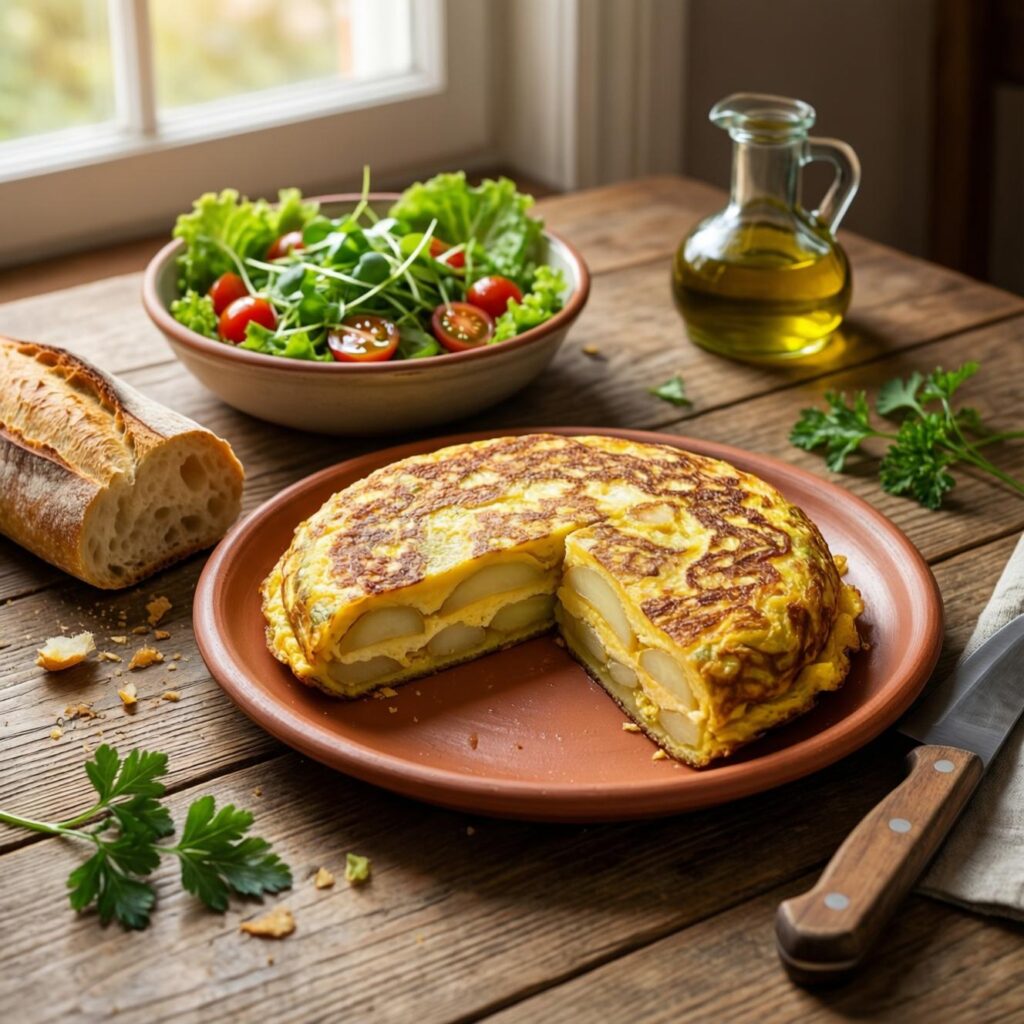
The Spanish tortilla differs completely from Mexican tortillas. It’s actually a thick potato and egg omelet. This dish works perfectly for breakfast, lunch, or dinner. You can also serve it at room temperature as a snack.
Begin by slicing potatoes and onions thinly. Fry them gently in plenty of olive oil until tender. Beat several eggs in a large bowl with salt. Then, add the cooked potatoes and onions to the egg mixture.
Pour everything back into the pan. Cook on low heat until the bottom sets firmly. Here comes the tricky part: flip the tortilla using a plate. Cook the other side for a few more minutes until golden.
Let it rest for five minutes before slicing. Each wedge reveals beautiful layers of potato and egg. Serve it with crusty bread and a simple green salad. Undoubtedly, this humble dish will become a household favorite.
Gazpacho: A Refreshing Cold European Recipe for Summer
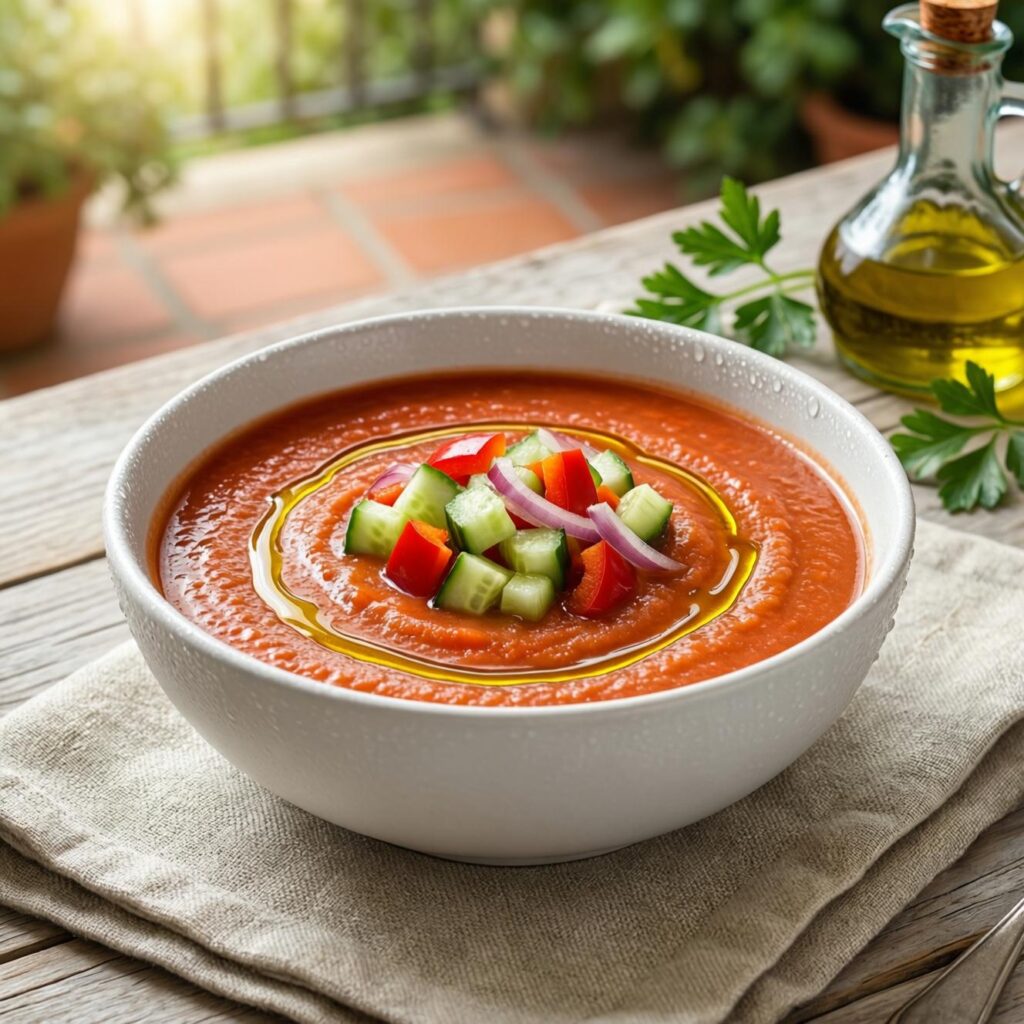
Gazpacho requires absolutely no cooking whatsoever. This chilled soup celebrates ripe summer vegetables at their peak. Blend tomatoes, cucumber, bell pepper, garlic, and onion until smooth. Add olive oil, vinegar, and salt to taste.
Refrigerate the soup for at least two hours. Cold temperatures allow the flavors to meld beautifully. Serve in chilled bowls with diced vegetables on top. A drizzle of olive oil adds a lovely finishing touch.
This recipe is incredibly healthy and hydrating. It packs vitamins, minerals, and antioxidants into every spoonful. Moreover, you can make a large batch and enjoy it all week. Gazpacho proves that European recipes can be both effortless and nutritious.
Comforting Greek European Recipes That Never Disappoint
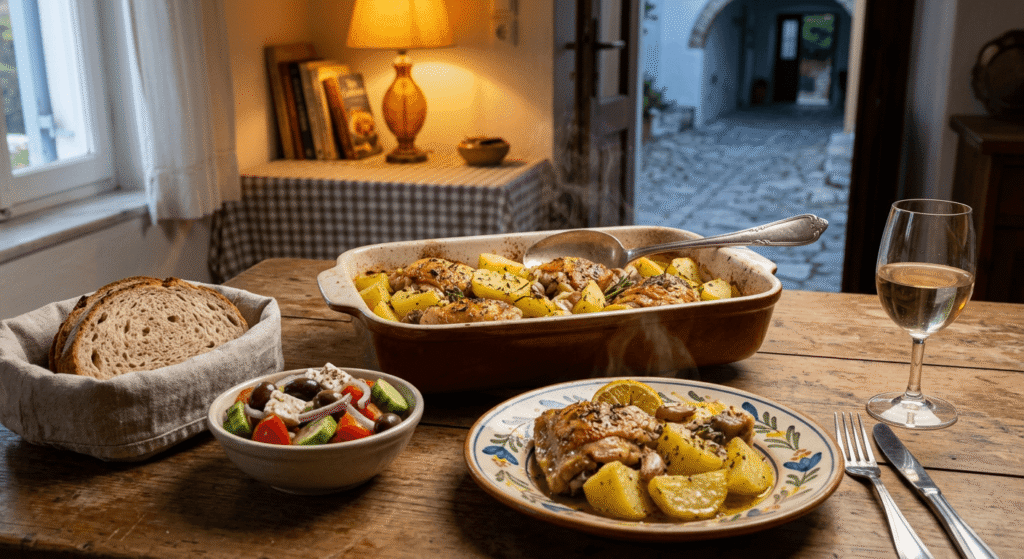
Greek cuisine emphasizes fresh vegetables, olive oil, and herbs. The flavors are bright, clean, and deeply satisfying. Even the simplest Greek dishes taste extraordinary when made with quality ingredients.
Greek Salad: A Timeless European Recipe Full of Flavor
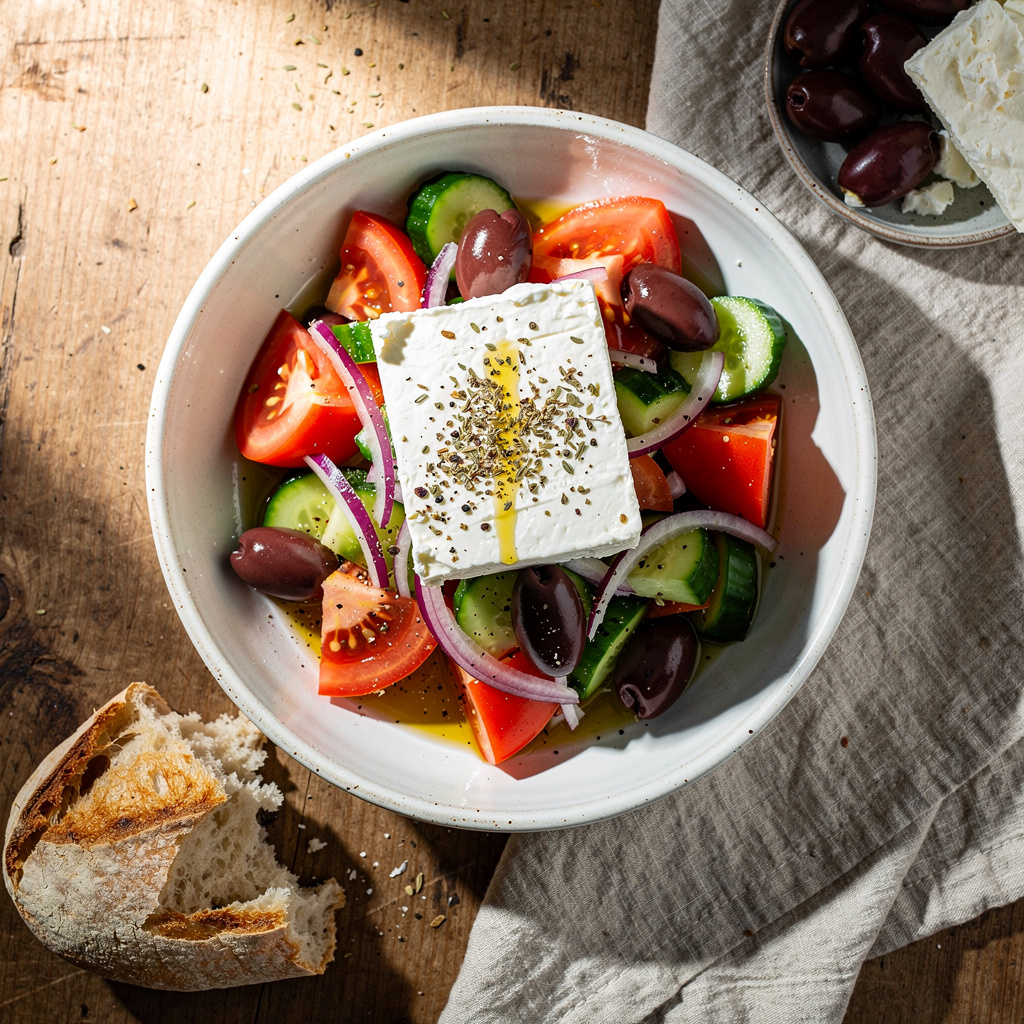
A proper Greek salad never contains lettuce. Instead, it features chunky pieces of tomato, cucumber, and bell pepper. Add thinly sliced red onion and Kalamata olives for saltiness. Top everything with a generous block of feta cheese.
Dress the salad with olive oil, red wine vinegar, and dried oregano. Season with salt and pepper to taste. Toss gently to combine all the ingredients. The juices from the vegetables create a natural, flavorful dressing.
This salad pairs wonderfully with grilled meats or crusty bread. It also makes a satisfying light lunch on its own. Many people love dipping bread into the juices at the bottom of the bowl. Truly, simplicity has never tasted so good.
Tzatziki: A Must-Try European Recipe for Dipping
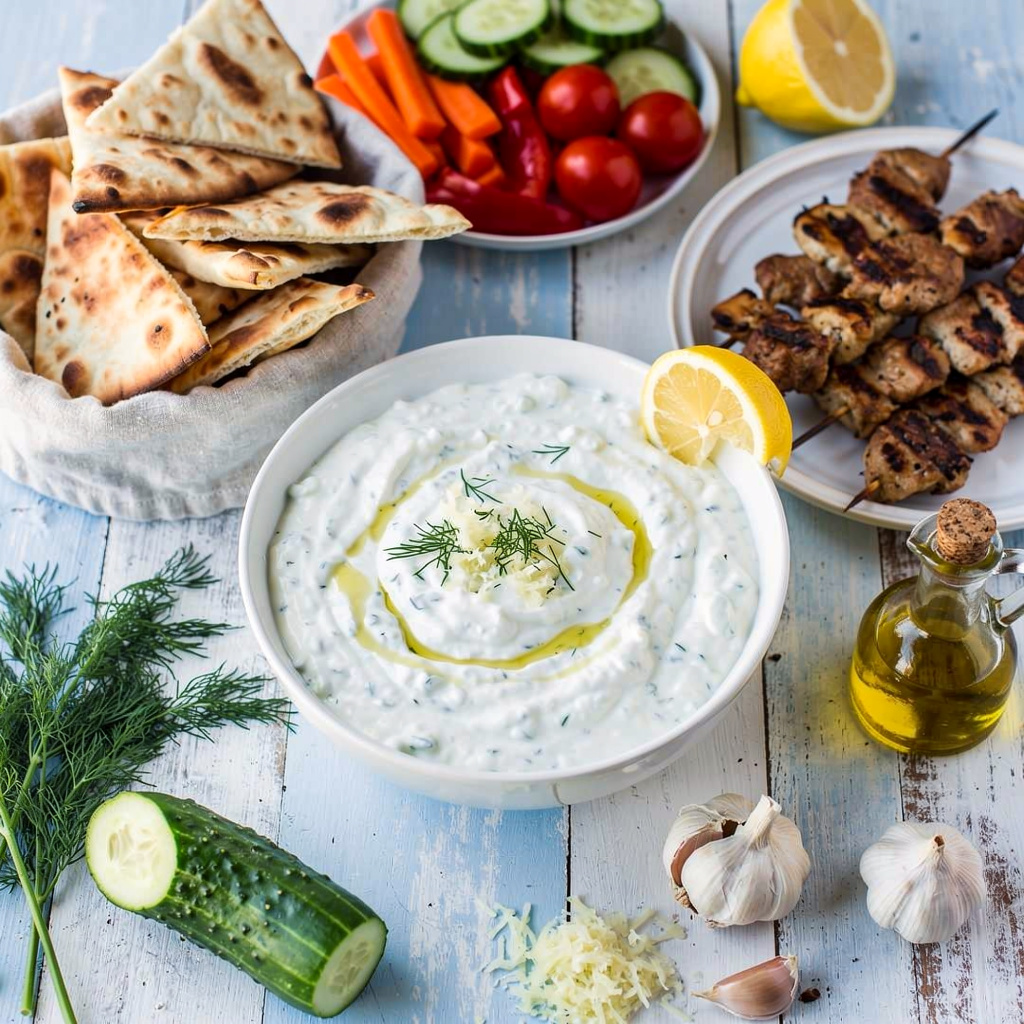
Tzatziki is a creamy yogurt sauce that complements almost everything. Grate a cucumber and squeeze out all excess moisture. This step prevents the sauce from becoming watery. Mix the cucumber with thick Greek yogurt in a bowl.
Add minced garlic, olive oil, lemon juice, and fresh dill. Stir everything together until well combined. Season with salt and let it chill in the refrigerator. The flavors intensify as the sauce rests.
Serve tzatziki with warm pita bread or raw vegetables. It also works beautifully alongside grilled chicken or lamb. Meanwhile, you can use it as a sandwich spread or burger topping. This versatile sauce shows why Greek European recipes remain endlessly popular.
Satisfying German Recipes That Warm Your Soul
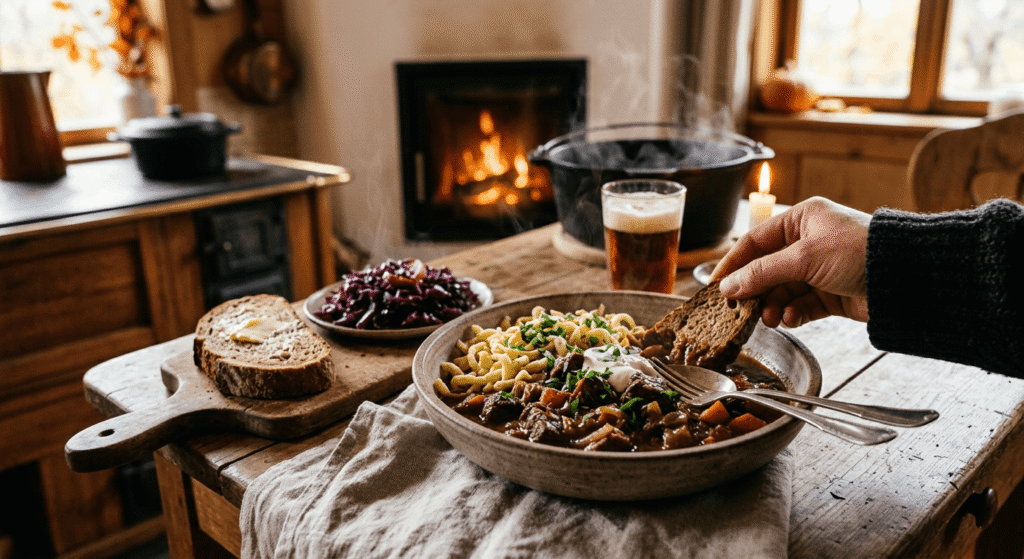
German cooking focuses on hearty, filling dishes that comfort the body. While some recipes seem complex, many are quite straightforward. Beginners can absolutely master these traditional favorites with practice.
Kartoffelsalat: A Surprisingly Easy German Recipe

German potato salad differs from American versions significantly. It uses a tangy vinegar-based dressing instead of mayonnaise. Therefore, it tastes lighter and more refreshing than you might expect.
Boil waxy potatoes until tender but still firm. Let them cool slightly before slicing into rounds. Meanwhile, cook diced bacon until crispy in a skillet. Reserve the bacon fat for the dressing.
Whisk together warm bacon fat, mustard, vinegar, and broth. Pour this warm dressing over the sliced potatoes. Add the crispy bacon, diced onions, and fresh chives. Toss gently to coat every slice without breaking the potatoes.
Serve this salad warm or at room temperature. It pairs beautifully with sausages, schnitzel, or roasted chicken. Also, the flavors improve as the salad sits. Many Germans consider this dish essential at family gatherings.
Bratwurst with Sauerkraut: A Classic European Recipe

Few things satisfy like a perfectly cooked bratwurst. Start by simmering the sausages in beer for about 10 minutes. This step infuses them with incredible flavor and ensures even cooking. Next, transfer them to a hot grill or pan.
Cook until the skin becomes crispy and golden brown. Meanwhile, warm sauerkraut in a separate pan with caraway seeds. Add a little apple juice to balance the tanginess. The sweet and sour combination works perfectly together.
Serve the bratwurst on crusty rolls with mustard. Pile sauerkraut on top for an authentic German experience. This meal comes together in under 30 minutes. Consequently, it’s perfect for busy weeknight dinners.
Exciting Portuguese Recipes Worth Trying Today

Portuguese cuisine remains underrated despite its incredible flavors. Fresh seafood, bold spices, and rustic techniques define this cooking style. Additionally, most Portuguese dishes are surprisingly easy to prepare.
Pastéis de Nata: A Sweet Portuguese Recipe That Melts Hearts

These famous custard tarts originated in Lisbon’s monasteries. While bakeries guard their secret recipes, home versions taste fantastic too. The combination of crispy pastry and creamy custard is utterly addictive.
Start with store-bought puff pastry to simplify the process. Cut circles and press them into muffin tins carefully. Mix egg yolks, sugar, cream, and vanilla in a bowl. Add a touch of cinnamon and lemon zest for depth.
Pour the custard mixture into the pastry shells. Bake at high heat until the tops develop dark spots. These caramelized patches are a signature characteristic. Let the tarts cool slightly before removing them from the tin.
Dust with cinnamon and powdered sugar before serving. Enjoy them warm with a strong espresso. Each bite delivers a wonderful contrast of textures. Without doubt, these tarts will impress everyone at your table.
Portuguese Tomato Rice: An Underrated European Recipe
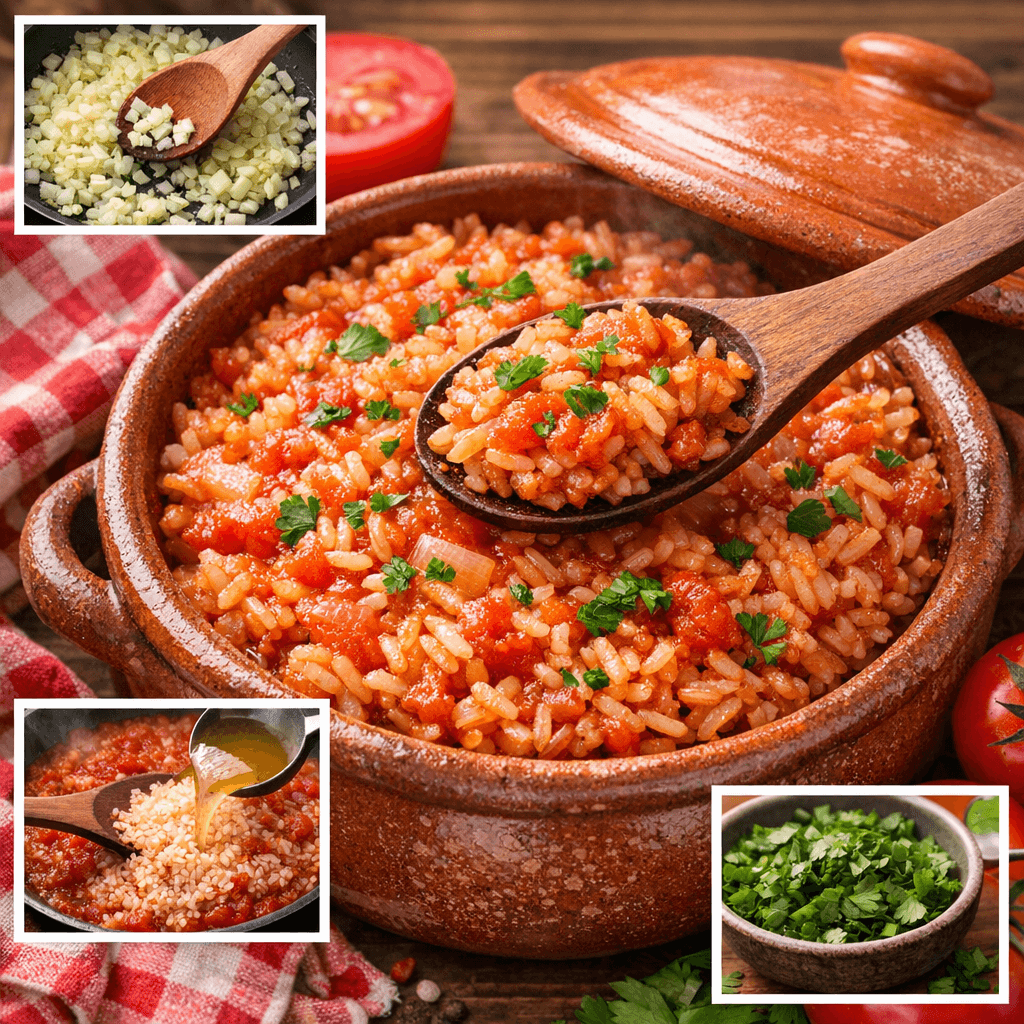
This vibrant side dish accompanies many Portuguese meals. Unlike plain white rice, it bursts with tomato flavor and color. The recipe requires just a few basic pantry staples.
Sauté diced onion and garlic in olive oil until soft. Add grated ripe tomatoes and cook until the mixture thickens. Stir in rice and toast it briefly in the tomato sauce. Pour in hot broth and bring everything to a boil.
Cover the pot and reduce heat to low. Let the rice cook undisturbed for about 18 minutes. Fluff with a fork and check the seasoning. Fresh parsley on top adds a beautiful finishing touch.
Essential British Recipes for Cozy Evenings

British cooking often gets a bad reputation unfairly. In reality, many British dishes offer incredible comfort and satisfaction. These recipes prove that British cuisine deserves far more respect.
Shepherd’s Pie: A Beloved British Recipe for Cold Nights
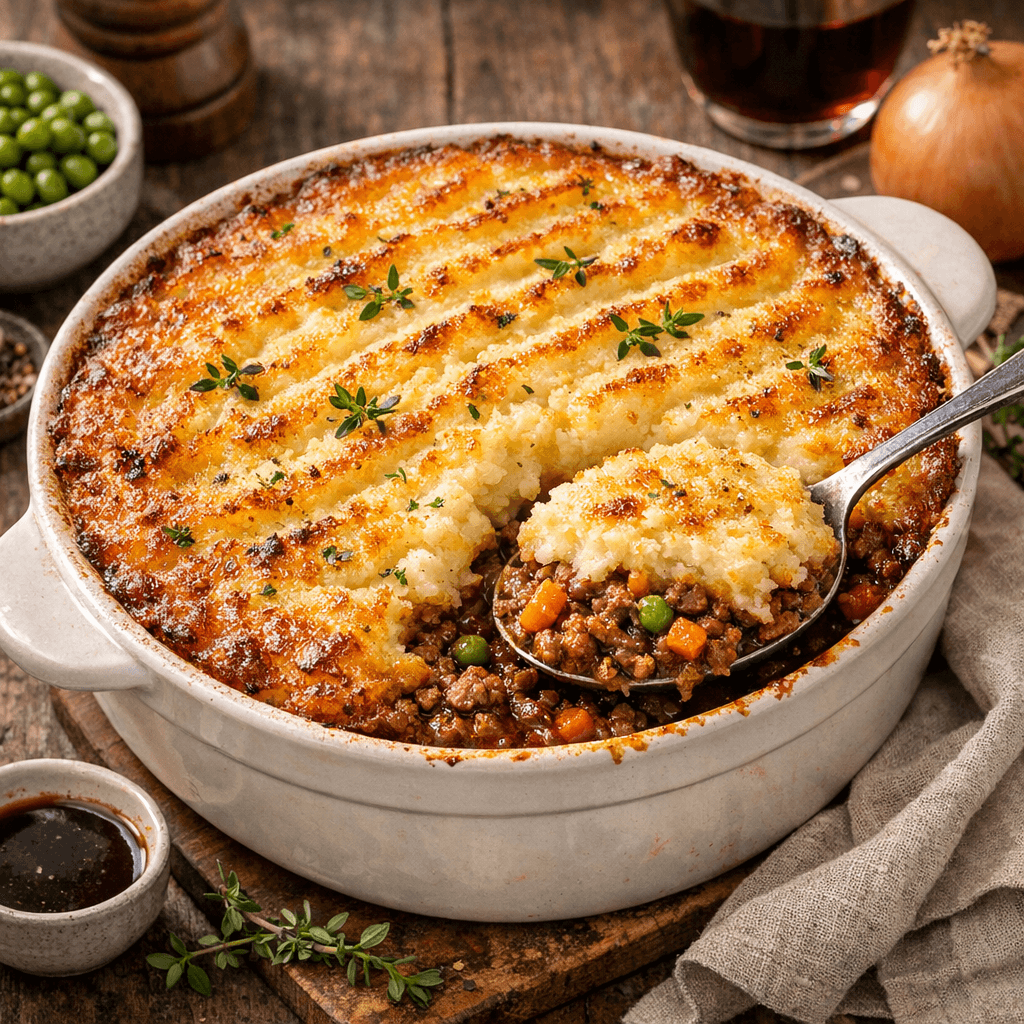
This classic dish combines savory meat with creamy mashed potatoes. Traditionally, shepherd’s pie uses lamb mince. However, you can substitute beef if you prefer. The result is equally delicious either way.
Brown the mince in a large pan with diced onion and carrots. Add tomato paste, Worcestershire sauce, and beef broth. Let the filling simmer until thick and flavorful. Season generously with salt, pepper, and fresh thyme.
Transfer the meat mixture to a baking dish. Top with a thick layer of fluffy mashed potatoes. Use a fork to create ridges on the surface. These ridges will become crispy and golden in the oven.
Bake until the top turns beautifully golden brown. Let it rest for ten minutes before serving. Each spoonful delivers warmth and comfort. Family members will request this dish again and again.
Scones: A Charming British Recipe for Tea Time

Scones bring elegance to any afternoon gathering. The recipe uses flour, butter, sugar, baking powder, and milk. Cut cold butter into the flour until the mixture resembles breadcrumbs. Add sugar and milk to form a soft dough.
Pat the dough gently to about one-inch thickness. Cut rounds with a cookie cutter or glass. Place them on a baking sheet with sides touching. Brush the tops with beaten egg for a golden finish.
Bake for 12 to 15 minutes until risen and golden. Serve warm with clotted cream and strawberry jam. The British call this combination a “cream tea.” These delightful treats make ordinary afternoons feel special and luxurious.
Helpful Tips to Master European Recipes Faster

Building Your European Recipe Pantry
Stock your kitchen with essential European ingredients. Olive oil serves as the foundation for Mediterranean cooking. Keep good quality salt, black pepper, and dried herbs on hand. Garlic, onions, and canned tomatoes appear in countless recipes.
Buy Parmesan cheese, Dijon mustard, and quality vinegar. These items elevate simple dishes dramatically. Also, invest in good butter for French and British recipes. Fresh herbs like basil, parsley, and thyme make a noticeable difference.
You don’t need to purchase everything at once. Build your pantry gradually as you try new recipes. Over time, you’ll accumulate a versatile collection. Eventually, you’ll have everything needed for spontaneous European cooking.
Avoiding Common Mistakes with European Recipes
Many beginners make the mistake of rushing the cooking process. European recipes often rely on patience for developing flavor. Caramelized onions, slow-simmered sauces, and rested meats all require time. Resist the temptation to increase heat for faster results.
Another common error involves overseasoning dishes. Start with less salt and add more gradually. You can always add seasoning, but you can’t remove it. Taste your food frequently throughout the cooking process.
Don’t skip the mise en place preparation step. Read the entire recipe before you start cooking. Prepare and measure all ingredients in advance. This organization prevents mistakes and reduces kitchen stress significantly.
Frequently Asked Questions About European Recipes

What are the easiest European recipes for absolute beginners?
Spaghetti Aglio e Olio, Greek salad, and Caprese salad rank among the easiest options. These European recipes require minimal ingredients and basic techniques. They need no advanced cooking skills whatsoever. Start with these dishes to build your confidence gradually.
Do European recipes require expensive or hard-to-find ingredients?
Most European recipes use common, affordable ingredients. Olive oil, garlic, tomatoes, and basic herbs form the foundation. You can find everything at regular grocery stores. Only a few specialty dishes require imported or unusual items.
How long does it take to prepare most beginner European recipes?
Many beginner European recipes take between 15 and 45 minutes. Quick dishes like pasta and salads need only 15 minutes. Heartier meals like shepherd’s pie require about an hour. Generally, preparation time decreases as you gain experience and confidence.
Can I modify European recipes to fit dietary restrictions?
Absolutely! Most European recipes adapt well to various dietary needs. You can substitute gluten-free pasta in Italian dishes easily. Plant-based alternatives work in many Mediterranean recipes too. Furthermore, many Greek and Spanish dishes are naturally vegetarian or vegan.
Which European cuisine should I start learning first?
Italian cuisine offers the best starting point for most beginners. The recipes use familiar ingredients and straightforward techniques. Moreover, Italian dishes are universally loved by almost everyone. Once you feel comfortable, branch out to French, Spanish, or Greek cooking.
Are European recipes healthy?
Many European recipes are incredibly nutritious and balanced. Mediterranean dishes, in particular, emphasize vegetables, olive oil, and lean proteins. Greek, Spanish, and Italian cuisines consistently rank among the healthiest. However, some Northern European recipes lean toward richer, heavier comfort foods.
How can I make European recipes taste more authentic?
Use the highest quality ingredients you can afford. Fresh herbs always outperform dried versions for garnishing. Cook with real butter and extra virgin olive oil instead of substitutes. Additionally, follow traditional techniques like slow caramelization and proper seasoning.
Final Thoughts: Start Your European Recipe Adventure Now
European recipes open a world of incredible flavors and culinary traditions. Every country offers something unique and wonderful for your kitchen. From Italy’s simple pasta dishes to Germany’s hearty comfort food, the options are endless.
You don’t need professional training to cook European food well. Start with easy recipes and gradually challenge yourself with complex ones. Practice builds skill, and skill builds confidence. Before long, you’ll cook European meals that rival restaurant quality.
The most important ingredient in any recipe is enthusiasm. Approach each dish with curiosity and patience. Don’t worry about perfection on your first attempt. Even experienced chefs make mistakes and learn from them constantly.
Gather your ingredients, preheat your oven, and begin exploring. European recipes will transform your home cooking forever. Your taste buds, your family, and your dinner guests will thank you. The beautiful journey of European cooking starts with a single delicious dish.
Leave a Reply